Over the past several years, we have seen the internet grow exponentially, and we have witnessed similar growth in e-commerce. Every year, more businesses launch their own websites to stake a claim on the World Wide Web.
For the most part, people now accept websites as a necessity, but a few organizations still see no need for one. "Websites are expensive," they argue. "I do not know how to build one," they say. "It would not really make much difference," they insist. Experience gives us the following three answers to those objections:
- A website doesn't have to be expensive,
- they can be fairly easy to create,
- And in practice, they make a substantial difference to a business's growth and sustainability.
It is fair to say that a websiteisa necessity, but it is also an opportunity — and one no business owner should overlook.Below are six reasons why.
1. Sell your products online
The first and most obvious reason to build a business website is to open an online store. As long as you sell products that can be shipped reliably, an online store dramatically extends your reach. Why sell only to your local area when you could sell to the whole country, or even the whole world?
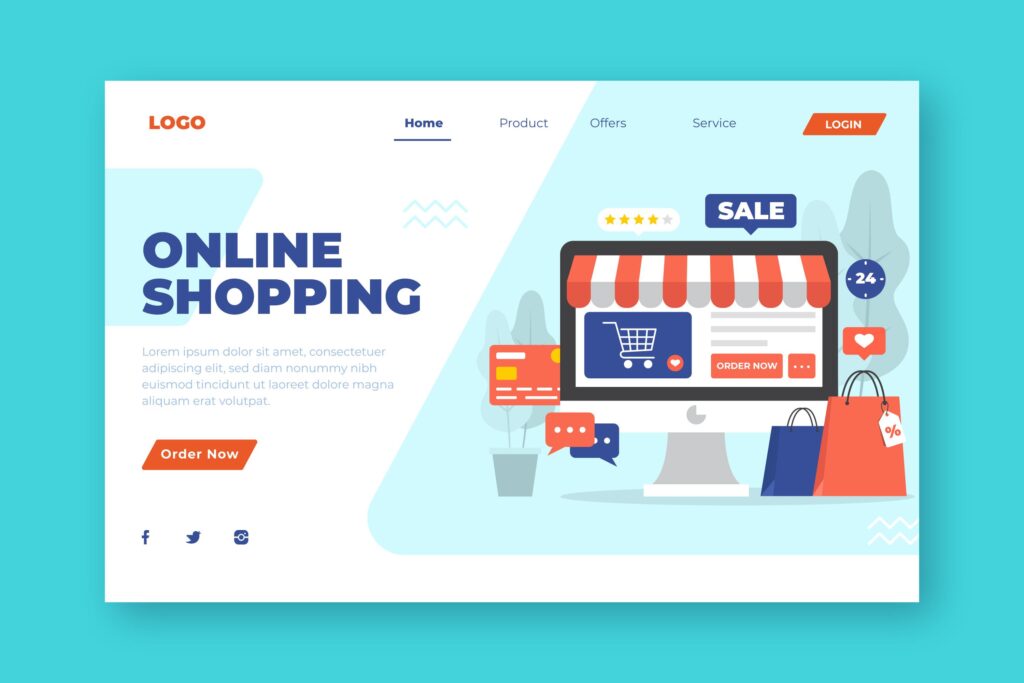
Customers today prefer to shop online. The great majority buy products through e-commerce sites, and will generally choose to buy online if they can get a better price than at a local bricks-and-mortar store. Other reasons for shopping online include convenience, time saved and the ease of comparing options. If your business sells products and you have no online store, you are essentially leaving money on the table.
2. Notifying and converting prospects
A website gives you the freedom to build an information hub for your business. As long as you keep it engaging, you can explain your products, services and unique value proposition in as much detail as you like. A website is your opportunity to set out fully, for prospective customers, why your business is the better choice over the competition.
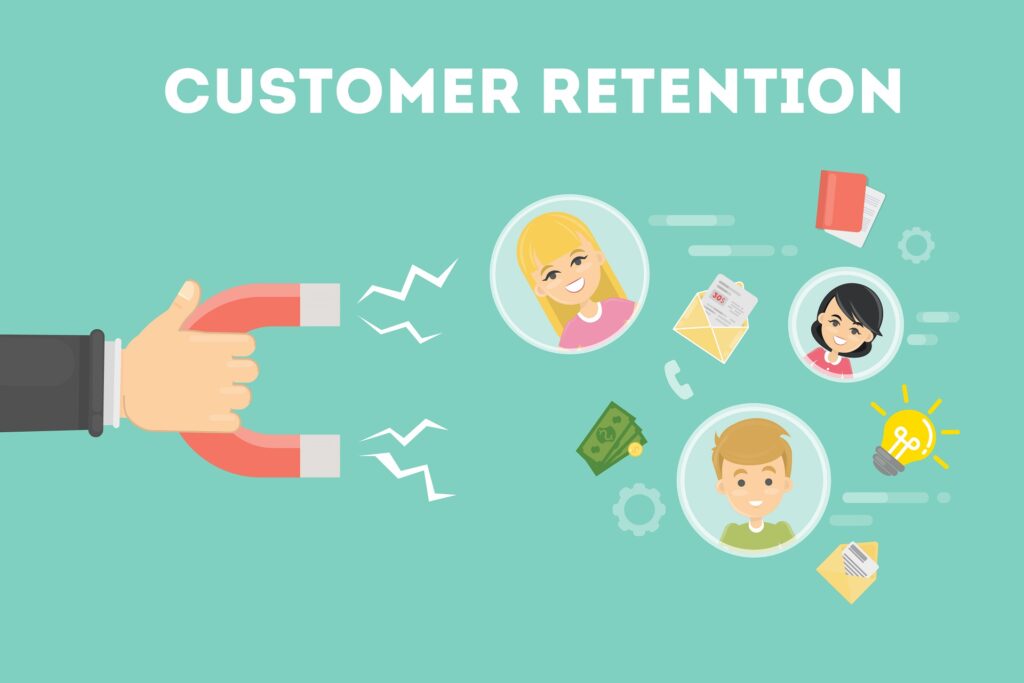
You can make your claims and back them up with whatever data you need. Customer reviews? Yes. Public poll results? Yes. Actual scientific research? Absolutely. You get the idea — any resource that helps your business stand out from the competition and brings customers to you has a place on your website. You willnevercan do much of that with printed documents.
3. Building brand awareness
How many times have you met someone who ended the encounter by handing you their business card, even when the conversation had nothing to do with business? Have you ever done it yourself, or watched someone else do it? There is a reason business cards are handed out so freely: to open a channel of communication and spread awareness. For that purpose, a website is even better than a business card.

As noted earlier, a website can carry far more information about your company than a business card or a brochure. Websites are also much easier to share, which means you do not have to do all the work yourself. Unlike printed material that has to be distributed, a website can be everywhere at once. Customers do some of the work for you every time they share your site with friends, whether through social media or word of mouth, and others can find you through search engines. In short, having a website is like having a storefront or an outdoor advertising campaign on every street in the world.
4. Provide customer support
A website is not only reachable from anywhere — it is reachable at any time. A website is open 24 hours a day, every day of the year, which is ideal for reinforcing your customer support through pages such as FAQs, a knowledge base, guides, downloadable manuals and more. These are a strong complement to your usual support channels, such as email forms and a phone number for enquiries.
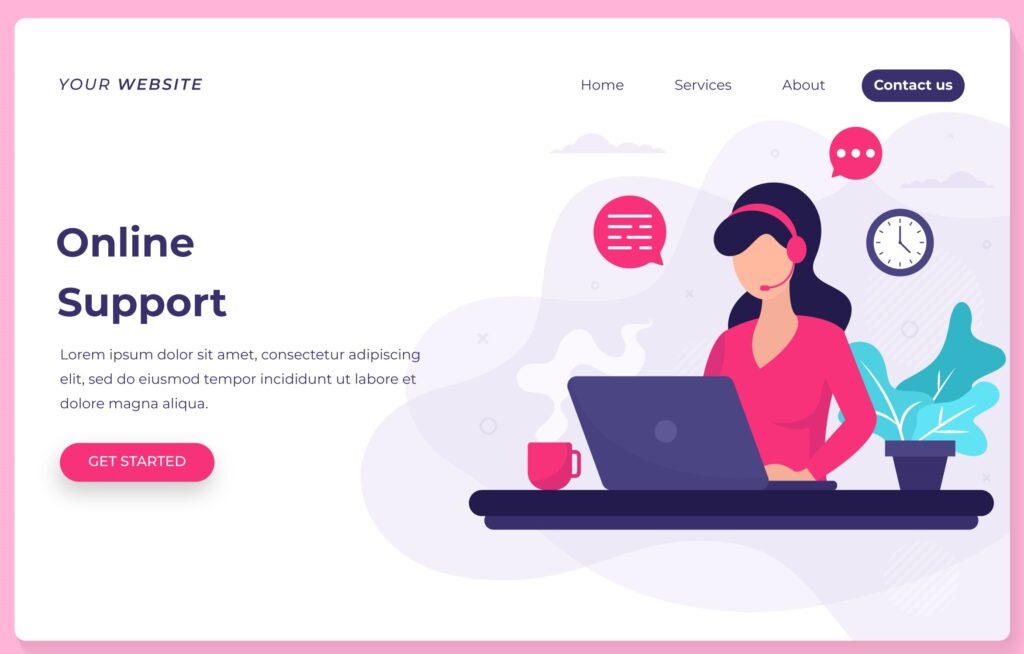
You should absolutely include your business contact details on your website, but do not treat your site's help material as a weak holding point that keeps customers occupied until you can speak to them. It is true that many customers would rather not hunt for answers and will wait until they can reach you, but others prefer to help themselves and would rather find an answer online than contact someone directly. A website is the ideal way to keep both options open, serving the more sociable customers and the quieter ones alike.
5. Always keep customers updated
A website is an ideal way to share news about your company, products, services and more. Announce new developments — store locations, product lines, sales, recalls, new releases, items back in stock — you get the idea. By sharing this information online you can reach thousands, or even millions, of people instantly: a considerable improvement on the days of posting printed newsletters.
Your home page is a good place for your most important updates, as long as you can keep them brief. New arrivals and sales events are ideal home page candidates, and some e-commerce platforms give you quick ways to surface sales and other promotions, such as daily deals. For longer text, a blog is an excellent option — and it helps your SEO as well.
6. Execute strong marketing strategies
An e-commerce website opens up a number of smart marketing options. You can target search results through SEO and reach customers who begin their shopping with an internet search — as most people do. You can share products on social media, and even get customers doing some of the work for you by drawing them in with share-based promotions such as group offers. In fact, with an e-commerce platform that includes a full marketing toolkit, you can create as many coupons and promotional events as you like.

Email newsletters are another highly effective marketing channel. With a website, customers simply click inside the email and land directly on your store and the promotion in question — as opposed to having no site, where they must read the email and then remember to visit your premises within the stated period.
So, build a website!
If you are convinced your business needs a website, you probably want to start building one as soon as possible. But how do you begin? To help, we have produced a free ebook that you can download below. The guide explains every step involved and will give you a clearer picture of what a website can do for your business.