
Over the past year, every submarine cable route serving Vietnam has suffered a fault, and none has yet returned to normal operation.
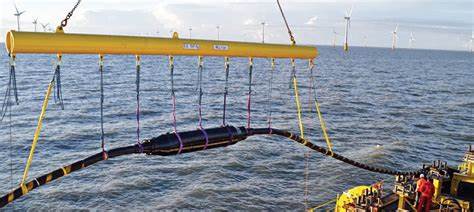
From February, the submarine cable operators planned repairs and expected to complete part of the work in March. By mid-April, however, faults remained on all of the cable systems. A representative of one Vietnamese internet service provider explained that repairing international cables faces a number of obstacles, including the need to obtain permission from other countries to access the cable locations.
The possibility of new faults being found after a cable section has been repaired also cannot be ruled out, which would delay completion of the work. ISPs have said, however, that they will try to restore some routes by the end of May at the earliest.
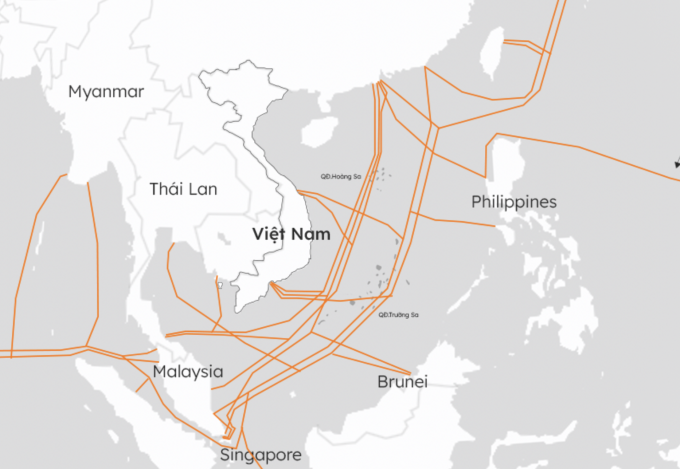
Five submarine cable systems serving Vietnam are currently faulty. AAE-1 failed on 24 November, cutting all international capacity from Vietnam to Hong Kong. APG and AAG failed in December 2022 and January respectively, IA failed at the end of January, and SMW-3 in February. All of these systems are owned and operated by consortia comprising telecommunications companies in several countries, which is why Vietnamese carriers cannot repair them on their own initiative.
To address the loss of international connectivity, the Ministry of Information and Communications directed carriers to open additional terrestrial fiber capacity and to share and back up each other's international telecommunications and internet traffic. Even so, internet quality has not returned to previous levels. Minister Nguyen Manh Hung highlighted the state of the five cable systems and argued that the infrastructure underpinning Vietnam's digital economy needs to be more stable and resilient. The Ministry of Information and Communications has set a target for Vietnam to have 10 submarine cable systems within the next two years, three of them owned by domestic operators, to avoid dependence on international consortia.